


A recent study by the U.S. Geological Survey and the Arkansas Department of Energy and Environment revealed a staggering lithium discovery in southwestern Arkansas. The study estimates that between 5 and 19 million tons of lithium are present in brine deposits beneath the state’s Smackover Formation, a geological relic from the Jurassic period.
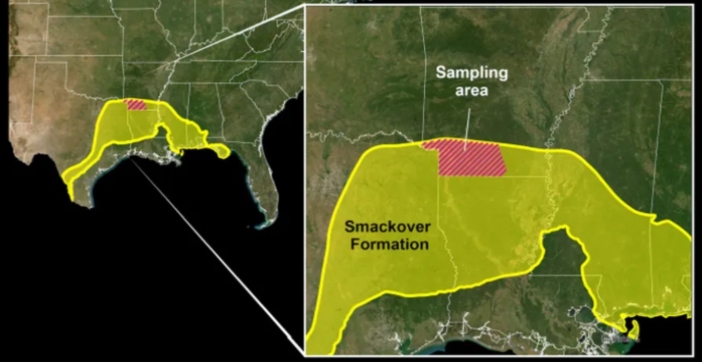
The research, led by USGS and ADEE’s Office of the State Geologist, developed a method to quantify lithium in brines co-produced during oil and gas operations. David Applegate, USGS Director, emphasized the significance of this discovery for U.S. energy independence: “Lithium is a critical mineral for the energy transition, and the potential for increased U.S. production has implications for employment, manufacturing, and supply-chain resilience.”
Lithium, a key component in batteries for electric vehicles and renewable energy storage, has seen skyrocketing demand globally. The U.S. currently relies on imports for over 25% of its lithium supply. However, researchers believe the vast reserves under the Smackover Formation, which spans several southern states, could supply the U.S. for years.

“Our research estimates that the lithium in southwestern Arkansas alone could replace U.S. imports and more,” said Katherine Knierim, principal researcher and hydrologist. While the study provides an in-place assessment, further research is needed to determine how much of the resource is technically recoverable using modern extraction methods.
With global lithium demand expected to surge, the Arkansas discovery may be a game-changer. It could potentially offer enough lithium to meet world demand nine times over by 2030.